

At first, it feels like a lingering cold.
You struggle to breathe, your nose is always a little blocked, your head feels heavy, and an uncomfortable pressure comes and goes around your forehead, cheekbones and eyes.
Then days pass, sometimes weeks, and you realise that nothing has really cleared up.
That is the most frustrating part of chronic sinusitis: it may not be dramatic, but it lingers. It follows you to work, disrupts sleep, makes concentration harder, limits comfortable breathing and leaves your face feeling constantly “full”.
Symptoms may include:
- a blocked nose or difficulty breathing through the nose
- nasal or postnasal discharge
- pressure or pain around the forehead, cheekbones or eyes
- reduced or lost sense of smell
When these symptoms persist forat least 12 weeks, a chronic form may be suspected.
When sinusitis becomes chronic
It is important to be clear about the distinction.
A cold can cause congestion for a few days, sometimes longer than expected. Chronic sinusitis, however, is different.
Chronic rhinosinusitis is considered when typical symptoms, such as nasal obstruction, discharge, facial pressure or reduced sense of smell, persist for at least 12 weeks.
A doctor confirms the diagnosis through a clinical assessment and, where appropriate, objective evidence of inflammation.
So the issue is not only how long it lasts, but also that the problem does not truly resolve.
You do not simply feel that your nose is blocked:
you feel that mucus is not draining well, that the cavities remain congested and that pressure is building up.
Sometimes thick mucus is the main problem; at other times it is a “full head” feeling or postnasal drip that irritates the throat and disrupts sleep.
Symptoms of chronic sinusitis
There is no single pattern that is the same for everyone.
Some people experience constant congestion, others facial pressure, and others ongoing mucus production.
The most common symptoms include:
- persistent nasal blockage
- thick mucus or discharge running down the throat
- pressure or pain in the forehead, cheekbones and around the eyes
- reduced sense of smell
- a foggy or muffled feeling in the head
- blocked ears or a feeling of pressure
- disturbed sleep and fatigue
These are all consistent with common clinical descriptions of chronic rhinosinusitis.
Causes of chronic sinusitis
Chronic sinusitis is not always simply “an infection that will not go away”.
In chronic cases, theinflammatory component is often central.Several factors may help keep the problem going:
- respiratory allergies
- nasal polyps
- asthma
- recurrent infections
- smoking and environmental irritants
- individual predisposition
It often begins with an acute episode, such as a cold or flu, but drainage then becomes impaired.
The mucous membranes stay swollen, mucus accumulates and the problem stops being episodic.
At that point, the goal is not just to “treat the episode”, but to understand why the system can no longer clear itself effectively.
How to clear the sinuses and support drainage
When sinusitis keeps returning, looking only for immediate relief is often not enough.
The goal becomes helping the upper respiratory tract regain a more normal balance:
- less stagnation
- less trapped mucus
- less persistent congestion
Basic strategies include:
- saline rinses
- managing nasal inflammation
- avoiding smoke, dry air and irritants
- adequate hydration
These simple measures are a first step towards promoting drainage and improving breathing.
When mucus is thick and “will not move”
Sometimes the main symptom is not pain, but stagnation.
You may feel that mucus is stuck and does not thin properly, that nasal breathing remains difficult and that the frontal sinuses, ears or throat are affected by persistent congestion.
In these situations, alongside basic measures, it may be worth considering targeted support.
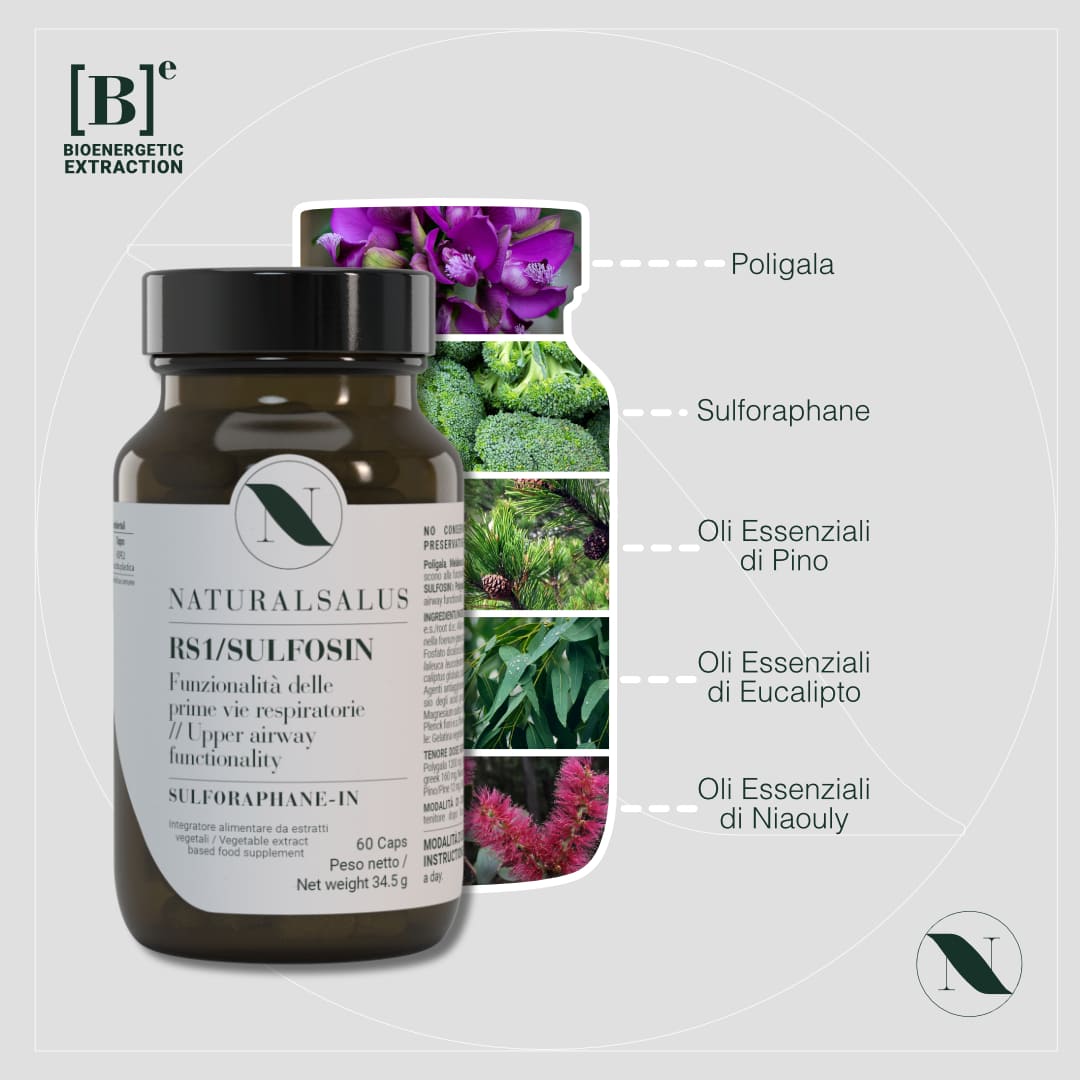
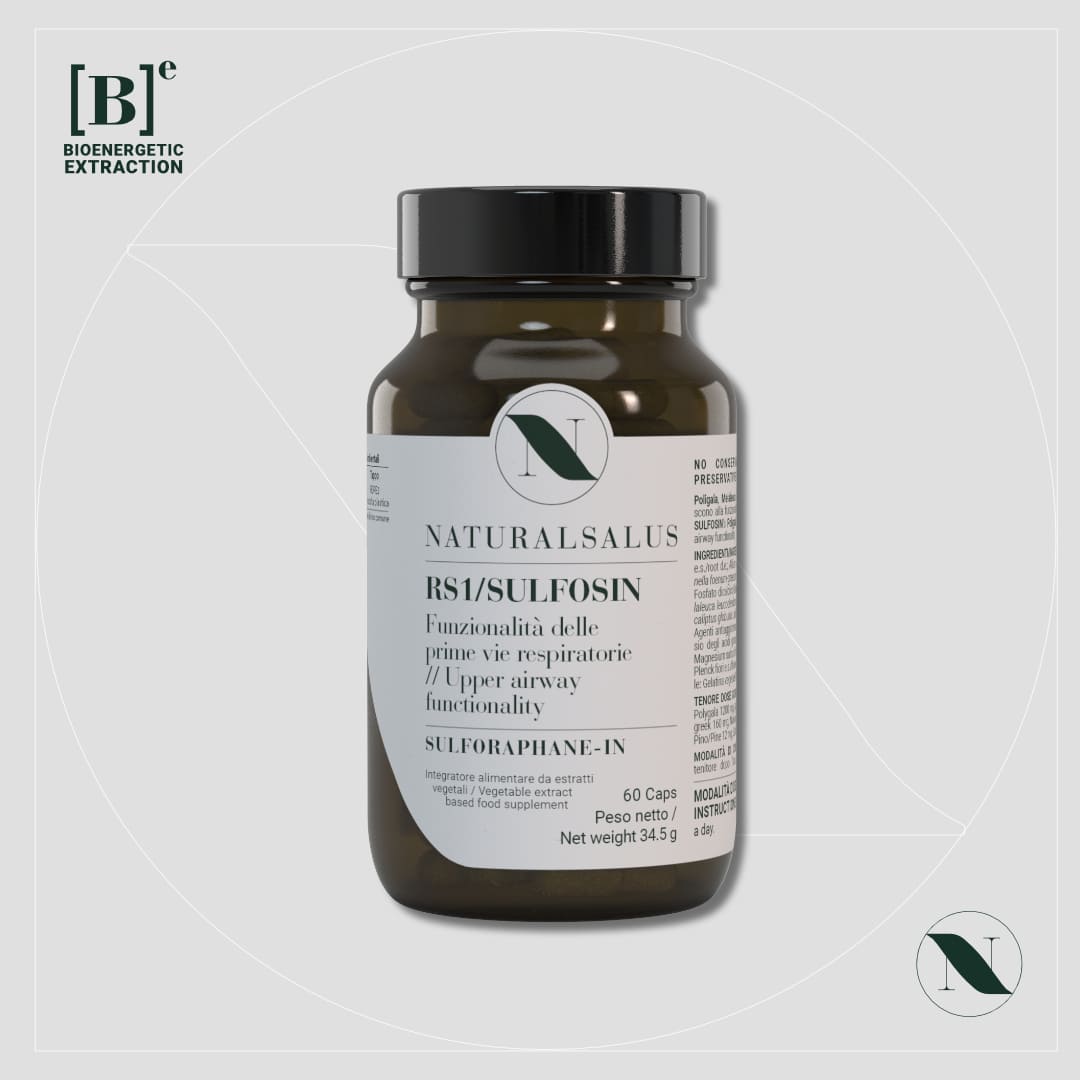
RS1/SULFOSIN® fits this approach: it is formulated to support the upper respiratory tract in cases of congestion and sinusitis, especially when mucus is thick and breathing is difficult.
The formula combines plant-derived ingredients and balsamic essential oils that canhelp thin mucus secretions and promote a feeling of freer, more natural breathing.
This is not a clinical “cure for chronic sinusitis”, but a support option that may be considered when congestion and mucus stagnation are the main issues.

When to consult a doctor
Chronic sinusitis should not be dismissed.
It is important to speak with a doctor, especially when:
- symptoms last more than 12 weeks
- they get worse over time
- a high fever develops
- pain is severe or persistent
- there is swelling of the face or around the eyes
- vision changes occur
- discharge becomes unusual or foul-smelling
In these cases, specialist assessment is essential to rule out complications or associated conditions.
Frequently asked questions
How can I tell chronic sinusitis from a cold?
The main difference is duration. In chronic sinusitis, symptoms last at least 12 weeks or do not fully resolve.
Can chronic sinusitis cause blocked ears?
Yes. A feeling of pressure or muffled hearing can occur when the upper respiratory tract is congested.
What are the most common causes?
Common factors include persistent inflammation, allergies, nasal polyps, recurrent infections, asthma and environmental irritants such as smoke and air pollution.
How can I try to clear my sinuses?
It may help to support drainage and manage inflammation, for example with saline rinses to clear mucus and irritants.
When might natural support be considered?
When thick mucus, persistent congestion and difficulty clearing the respiratory tract are the main problems, targeted support may be considered alongside basic measures.