

What is cholesterol?
Cholesterol is a natural and essential component of the cell membrane in the human body. Its main function is to keep this cellular barrier flexible; it also acts as a point of contact for selecting different molecules to be taken into the cell. Cholesterol is produced by the body’s own cells, mostly in the liver, or absorbed in the intestine from the food we eat.
Cholesterol plays a vital role…
Although cholesterol is often demonised in today’s society, its presence is essential for the proper functioning of various body systems. In addition to being part of the cell membrane, cholesterol is also the building block for other molecules known as steroid molecules, including bile salts, female and male hormones (progesterone, estradiol and testosterone), and some vitamins such as vitamin D.
Cholesterol and the cardiovascular system
The cholesterol – like triglycerides – is part of the lipids, or fatty acids, and is transported through the cardiovascular system by small proteins. Protein-mediated transport takes place through the formation of small particles classified according to their density. The density of these particles depends on the proteins and on the direction in which the lipids are transported. When lipids are carried from the liver to body tissues by ApoB transport proteins, they are called low-density lipoproteins (low density lipoprotein, LDL). When transport moves in the opposite direction, from body tissues to the liver via ApoA proteins, the particles have a higher density (high density lipoproteins, HDL). These are also known as good cholesterol. In fact, both types perform important transport functions in the body.
Cholesterol can also cause problems in the body.
Cholesterol can also cause problems in the body and lead tohypercholesterolaemia. When blood tests show a very high concentration of total cholesterol or LDL, this is referred to as high cholesterol (hypercholesterolaemia). When this imbalance occurs, it is important to take action because an excess of lipid molecules can damage various organs, especially the liver and thecardiovascular system, potentially causing serious conditions such as thrombosis and ischaemia as well as gallstones .
Medical advice is necessary in cases of severe hypercholesterolaemia to determine the appropriate treatment. Often, statins, molecules that act on the production of cholesterol in the liver, blocking the enzymes that produce it.
Preventing hypercholesterolaemia is better than treating it. A healthy, balanced diet and an active lifestyle can help prevent serious health problems and maintain the right balance between LDL and HDL.

Natural statins known as monacolin K
The side effects of statins must be taken into account, as they can be significant.
People who take supplements containing monacolin K have often been observed to experience side effects such as muscle pain, tiredness and fatigue, headaches and abdominal pain, nausea and intestinal problems (Younes et al., 2018). In light of these side effects, and based also on studies conducted in collaboration with the University of Bologna, the European Food Safety Authority (EFSA) confirmed DG SANTE’s decision on the proposal to prohibit the use of monacolin K doses of 3 mg or more per day in food supplements. A final decision was expected between June and September 2020.
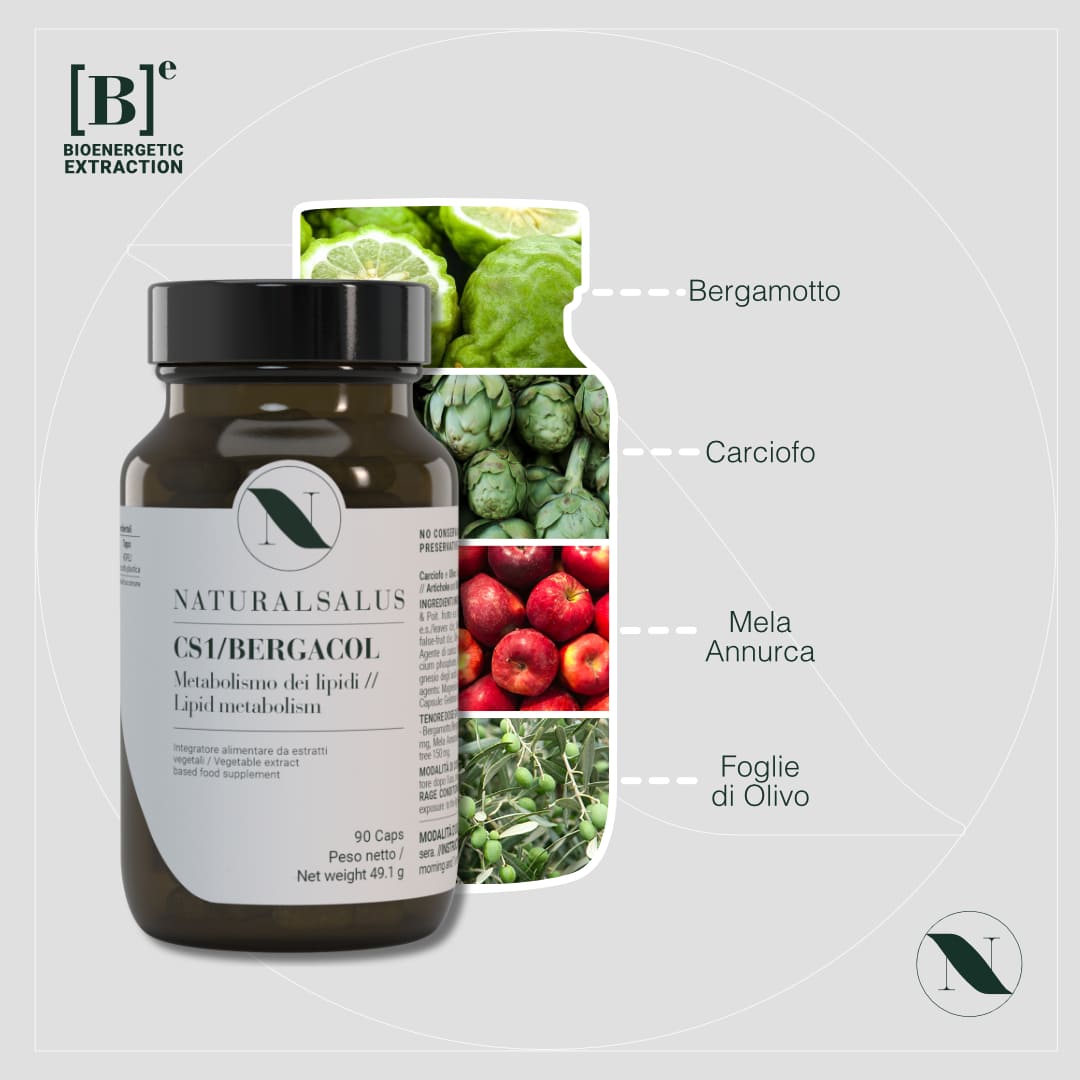
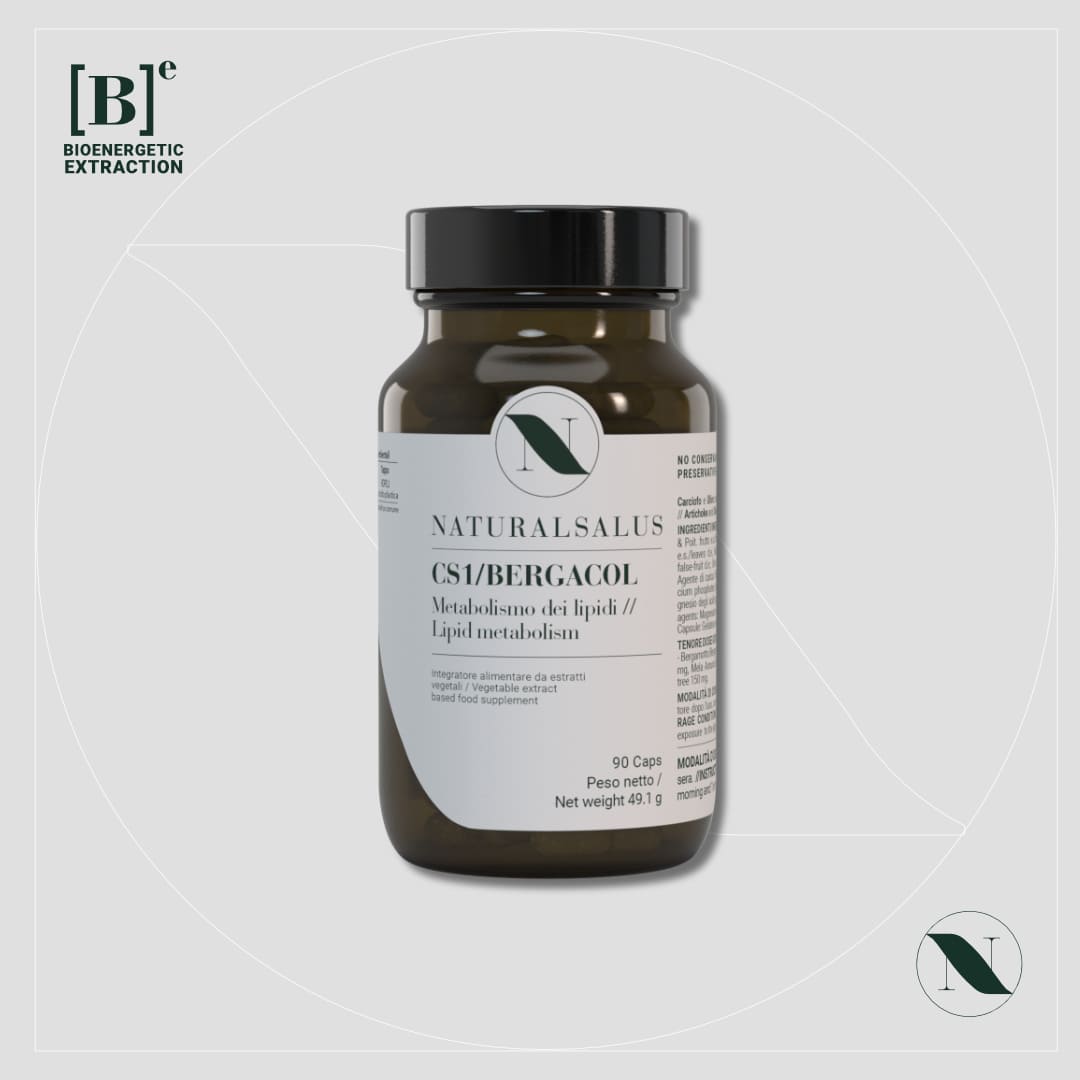
CS1/BERGACOL is a food supplement without plant-based statins, designed to help reduce cholesterol naturally through the action of bergamot and artichoke, Annurca apple and olive leaves. Studies conducted at the University of Pisa have shown that bergamot juice effectively reduces excess fats in the blood (De Leo et al., 2019). Other studies conducted at the University of Naples have shed light on the beneficial effects of Annurca apple, a fruit typical of Campania, on cholesterol. This fruit has been shown to effectively reduce blood cholesterol. Artichoke leaf extract is a rich source of folic acid, biotin, iron, calcium, magnesium, zinc, and vitamins A, B-complex, C and K. Olive leaf extract, rich in polyphenols, may help improve blood pressure and lower high cholesterol. These positive effects reduce the risk of coronary heart disease, stroke and heart attack. They do so by lowering low-density lipoproteins (LDL, or “bad” cholesterol) and increasing high-density lipoproteins (HDL, or “good” cholesterol). The effect is associated with polyunsaturated fatty acids in the leaves, particularly alpha-linolenic acid.
Together, these ingredients provide targeted, natural support to help counter high cholesterol and excess fats that increase the risk of ipercolesterolemia.
Finally, the product also has an antioxidant effect that helps protect against major cardiovascular risk factors.