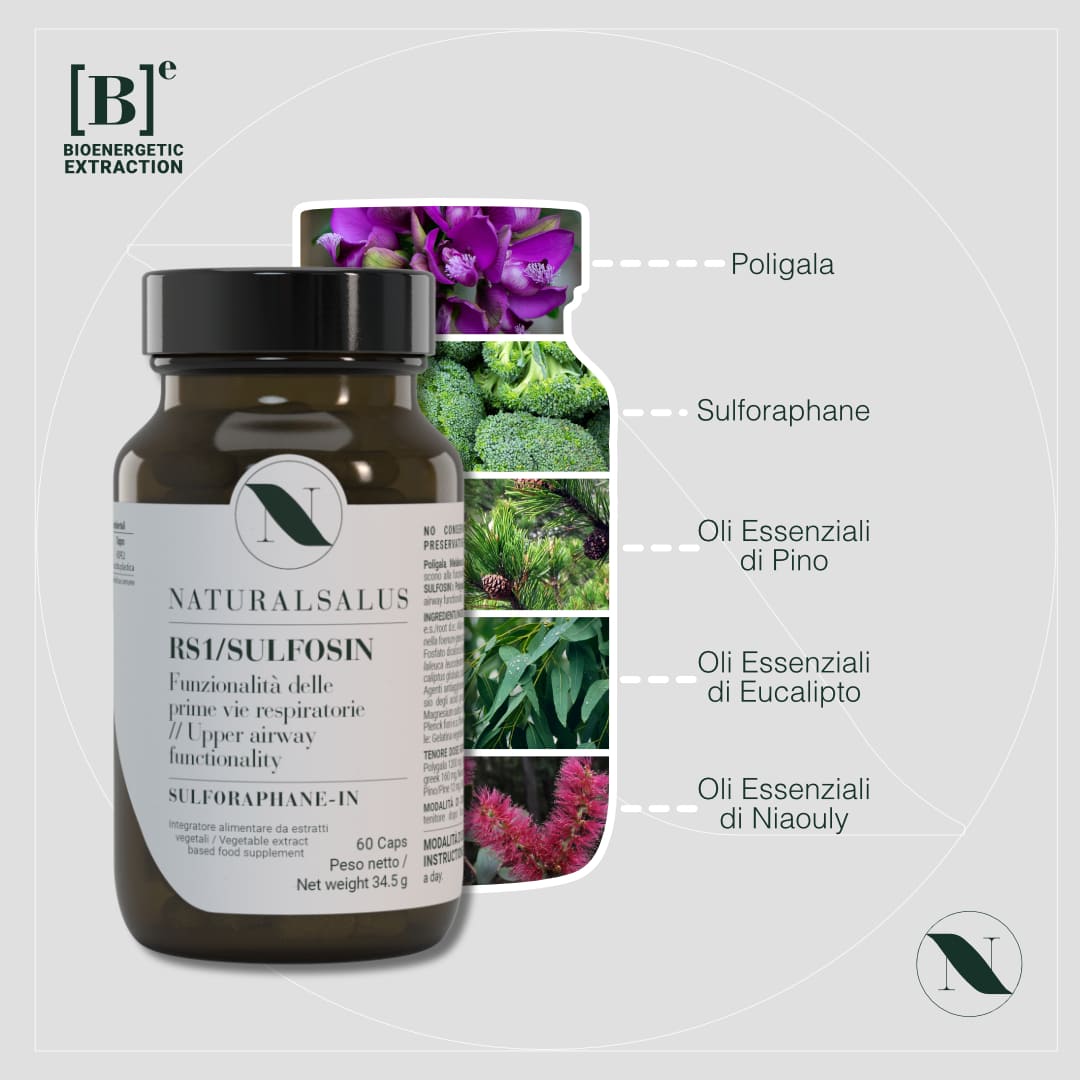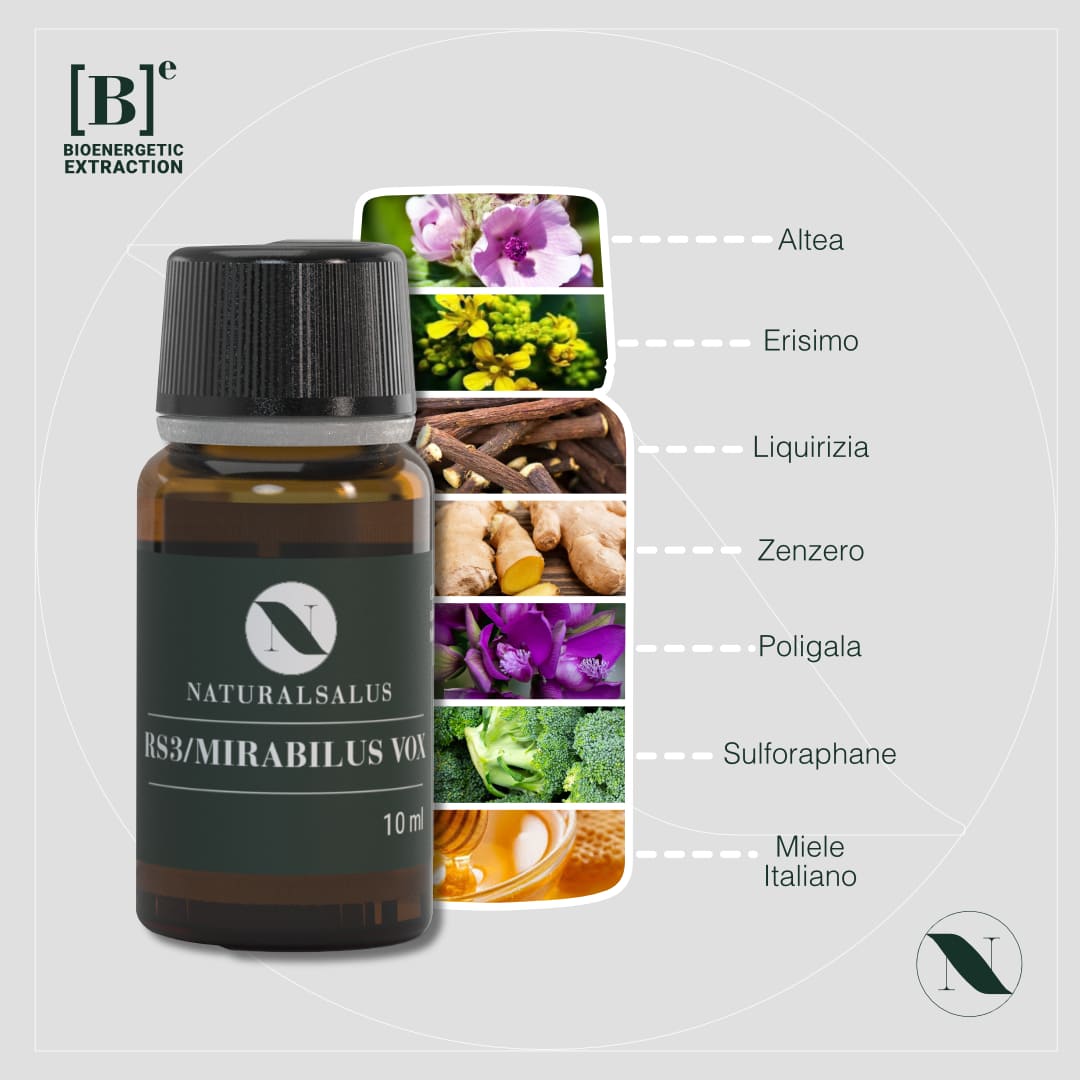

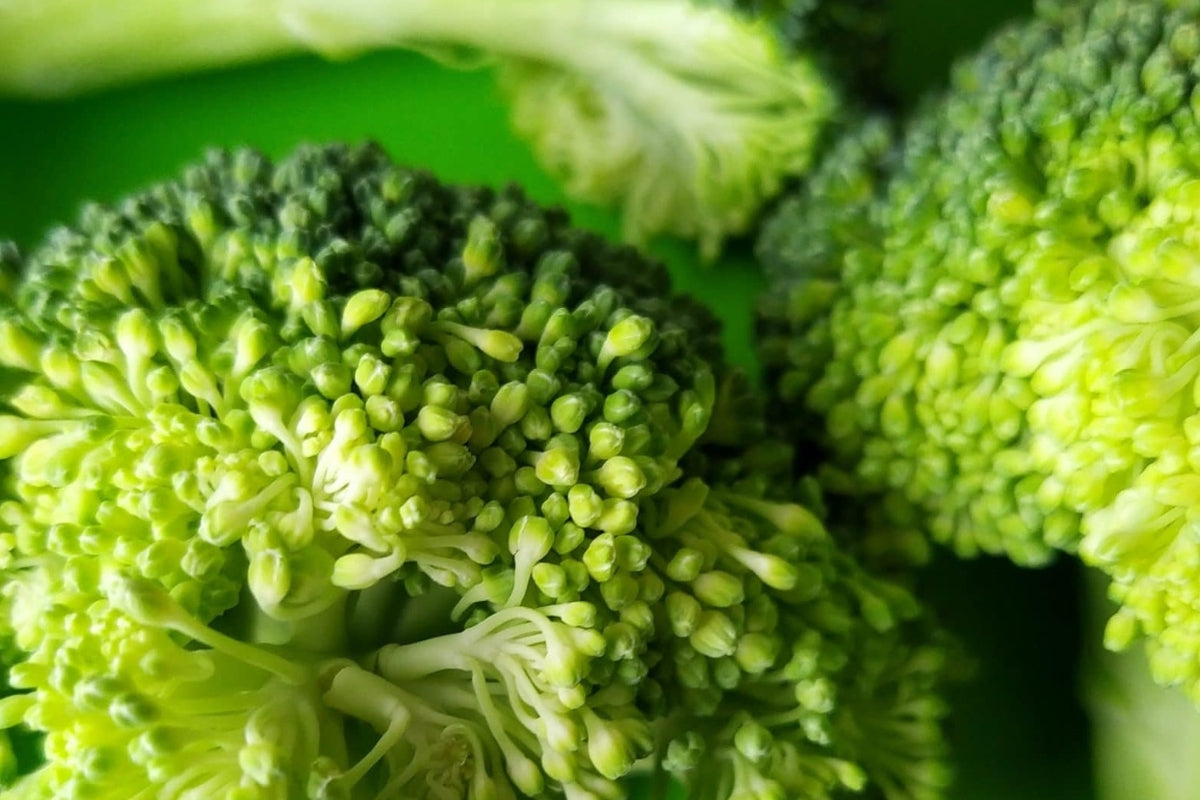
Sulforaphane contributes to health and well-being; it is extracted from broccoli seeds and sprouts, which contain high concentrations of it
What is sulforaphane?
The sulforaphane is a molecule that was extracted and isolated for the first time from broccoli, particularly its seeds and sprouts, which contain the highest concentrations. This molecule is also present in varying amounts in other plants belonging to the cruciferous family, including cabbage, savoy cabbage and Brussels sprouts (Houghton, 2019; Yagishita et al., 2019).
Essentially, sulforaphane is a small molecule that is soluble in oily liquids and occurs naturally from glucoraphanin (Houghton, 2019; Jabbarzadeh Kaboli et al., 2020). Its small size and chemical properties allow it to be readily absorbed by cells in the human body, where it performs several activities that contribute to health and well-being (Houghton, 2019).
Sulforaphane: one of the most effective natural antioxidants.
Sulforaphane is one of the antioxidants most effective; it provides a protective action against the free radicals inside the cell after crossing the cell membrane. This action involves the activation of several enzymes, including the so-called phase II antioxidant enzymes, which help to counter free radicals, helping keep cells and the whole body healthy. As a result, this mechanism makes sulforaphane one of the most effective natural antioxidants. (Yagishita et al., 2019; Jabbarzadeh Kaboli et al., 2020).
Sulforaphane may help slow the onset of many diseases.
Several studies have shown sulforaphane’s potential to slow the onset of chronic diseases. Of the cellular mechanisms activated by sulforaphane, the one most studied in contemporary scientific literature is the Nrf2 pathway, which plays an important role in regulating the expression of various genes and in activating cellular inflammatory mediators (Tortorella et al., 2015; Jiang et al., 2018; Yagishita et al., 2019). Quest’azione regolante dell’infiammazione cellulare da parte del sulforaphane explains the molecule’s beneficial effect in the prevention of chronic diseases, since many of these are caused by abnormal responses from inflammatory mediators and the immune system (Yagishita et al., 2019).
In addition, epidemiological studies indicate its effectiveness in preventing chronic diseases and several types of cancer. In fact, populations that regularly consume broccoli, cabbage and other plants containing sulforaphane have a lower risk of breast, lung and bowel cancer (Tortorella et al., 2015).
Sulforaphane may have beneficial effects in a range of conditions.
Sulforaphane has been found to have a beneficial effect in cases of arthritis and metabolic syndrome, as well as a significant, although modest, effect in cases of asthma and allergic reactions (Yagishita et al., 2019). Further studies have also confirmed a protective effect of sulforaphane on neuronal cells through its antioxidant activity, thereby reducing the presence of free radicals. This process may also reduce the risk of protein aggregates forming. These protein waste products cannot be eliminated by the cell and are involved in the development of Alzheimer’s disease (Klomparens and Ding, 2019).
The anti-ageing effects of sulforaphane.
Ageing is a gradual process of cellular damage that changes cell physiology and function. Primarily, it is a defence mechanism that prevents affected cells from proliferating or participating in various physiological processes. A cell that has undergone this process is called senescent (Carlos López-Otín et al., 2013).
Although this mechanism is important for overall health, as time passes and cellular damage increases, senescent cells can cause various disorders because of their altered activity, with effects that are both pathological and visible in appearance.
Several factors contribute to cellular ageing. One of the most widely studied is oxidative stress. As discussed above, sulforaphane counteracts oxidative stress by activating phase II antioxidant enzymes (Yagishita et al., 2019; Jabbarzadeh Kaboli et al., 2020). In this way, sulforaphane not only helps prevent cellular damage but may also slow the onset of disorders and visible changes associated with ageing. Another important risk factor forpremature ageing is environmental factors such as UV rays, air pollution and smoking to which we are regularly exposed. The skin is particularly affected by these factors. UV rays cause several types of skin damage at once: they produce free radicals and activate enzymes associated with premature ageing. Some of these enzymes belong to the metalloproteinase family, and their activation gradually degrades collagen. Other enzymes activated by UV rays cause inflammation and, consequently, skin redness.
Treatment with sulforaphane has been shown to be effective in protecting the skin from UV rays and reducing the risk of redness, inflammation and tissue degradation, demonstrating its anti-ageing activity (Anyamanee Chaiprasongsuk et al., 2017; Paul Talalay et al., 2017).
Sulforaphane also has antibiotic and bacteriostatic activity.
In addition, sulforaphane also has antibiotic and bacteriostatic activity and therefore inhibits bacterial growth (Fahey et al., 2002; Marrazzo, Angeloni and Hrelia, 2019). Several studies have examined the effect of sulforaphane on the activity of a particular bacterium called Helicobacter pylori, which is known to damage the gastric mucosa and cause gastritis and gastric ulcers. Finally, these studies show that this molecule inhibits the bacterium’s proliferation, preventing it from reproducing and consequently protecting the gastric mucosa against the bacterium and helping prevent ulcer formation (Fahey et al., 2002).